Palmer amaranth is not widespread in South Dakota, but it can be a real problem weed for growers. It has the ability to germinate for an extended period during the summer, grows quickly and competes aggressively with crops for nutrients, light and moisture. SDSU Extension Weed Scientist Coordinator Paul Johnson says it was primarily introduced by out of state equipment.
He says farmers harvesting should bypass areas where palmer amaranth has shown up and leave that field as the final one to combine. After harvest farmers need to thoroughly clean the equipment to prevent its spread.
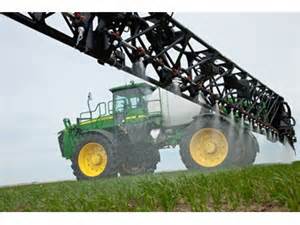
Johnson recommends producers treat areas of palmer amaranth with a strong preplant or preemergence herbicide program and a follow up with a post emerge application the next year.
Johnson says palmer amaranth needs to cross pollinate to produce seed and that process increases the plants genetic diversity and its ability to develop plant types that are resistant to herbicides.