PIERRE, S.D. (Meghan O’Brien / South Dakota Searchlight) – A legislative proposal related to a situation in the Sioux Falls area would require data centers in South Dakota to obtain an additional permit from a neighboring city or county, if the city or county line is within 1 mile of the facility.
The state House Commerce and Energy Committee approved the legislation 9-4 on Wednesday, sending it to the state House of Representatives.
Last month, Sioux Falls rezoned land for a proposed data center. Although the land is near Brandon, residents of Brandon had no official say in the matter. An effort to petition the rezoning to a public vote failed when petitioners failed to gather enough signatures.
“This is not an anti-data center bill,” said the sponsor, Rep. John Sjaarda, R-Valley Springs. “It’s a local control bill.”
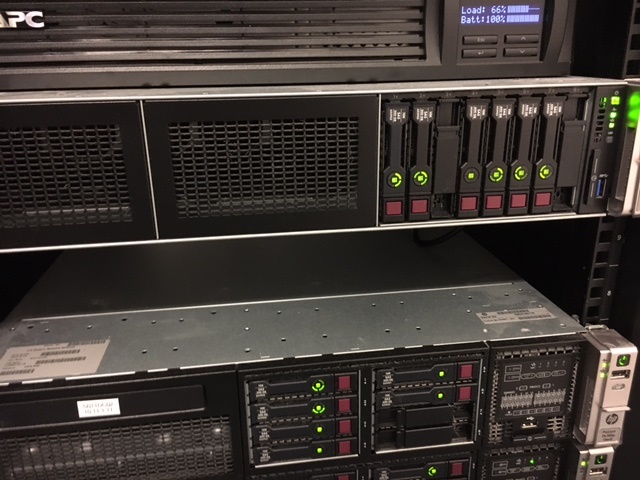
The legislation would require any “high energy use facility” using at least 20 megawatts of energy to apply for a conditional use permit from any city or county within 1 mile that has zoning ordinances. Large data centers often require more electricity than that to store data for artificial intelligence, cryptocurrency and other forms of technology.
Side effects of data centers, like noise from continuously running equipment, were some of the larger concerns of Brandon residents who supported the bill.
“These sounds and noises do not stop at a city limits sign,” said resident Erin Taggart.
Rep. Kaley Nolz, R-Mitchell, was one of the committee members who voted for the bill.
“I think we need to be good neighbors,” she said. ”You shouldn’t be able to build it right across the road just because I don’t live in that county.”
The bill is one of many addressing data centers in the current legislative session, which lasts until mid-March. A bill that would have exempted data centers from sales taxes on their software and equipment purchases failed in a committee recently.
Further carbon pipeline regulations
Committee members also supported a bill Wednesday from Sioux Falls Republican Rep. John Hughes that would require companies proposing carbon dioxide pipelines to pay for and conduct an environmental impact study.
The proposal would allow companies to run those studies during the course of permit applications. Results of environmental impact studies would have to be accessible to the public.
The bill is one of many filed in recent years in response to a proposal from Iowa-based Summit Carbon Solutions to build a five-state pipeline through eastern South Dakota. The project would capture carbon dioxide from ethanol plants and sequester it underground in North Dakota, to capitalize on federal tax credits incentivizing the prevention of heat-trapping emissions into the atmosphere.
Last year, lawmakers and Gov. Larry Rhoden adopted a law banning carbon pipelines from using eminent domain, a legal process for obtaining land access when landowners are unwilling to grant it.