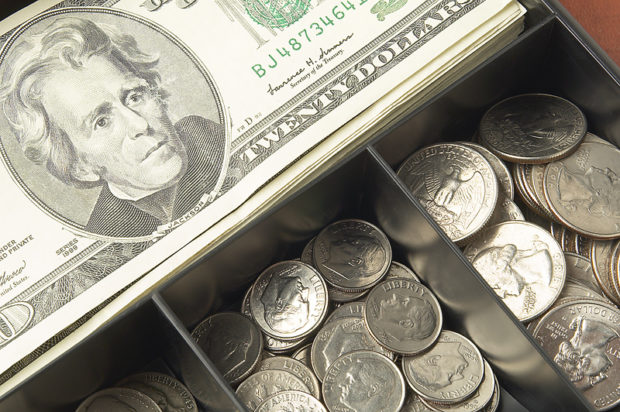
The Economic Research Service’s Food Dollar Series shows that the farmers’ share of the food dollar fell to 14.8 cents in 2016. That’s a 4.5 percent drop from the previous year and the lowest level since the series first launched in 1993. American Farm Bureau Economist John Newton says the largest decline was in food not consumed at home, which was at record low levels.
The farmers’ share of every $1 spent on domestically produced food represents the percentage of farm commodity sales tied to the food dollar expenditure. Newton says when adjusted for inflation the farmer’s share is even lower.
Non-farm related marketing associated with the food dollar rose to a record-high of 85.2 cents. Those expenses include things like transportation, processing, and marketing.